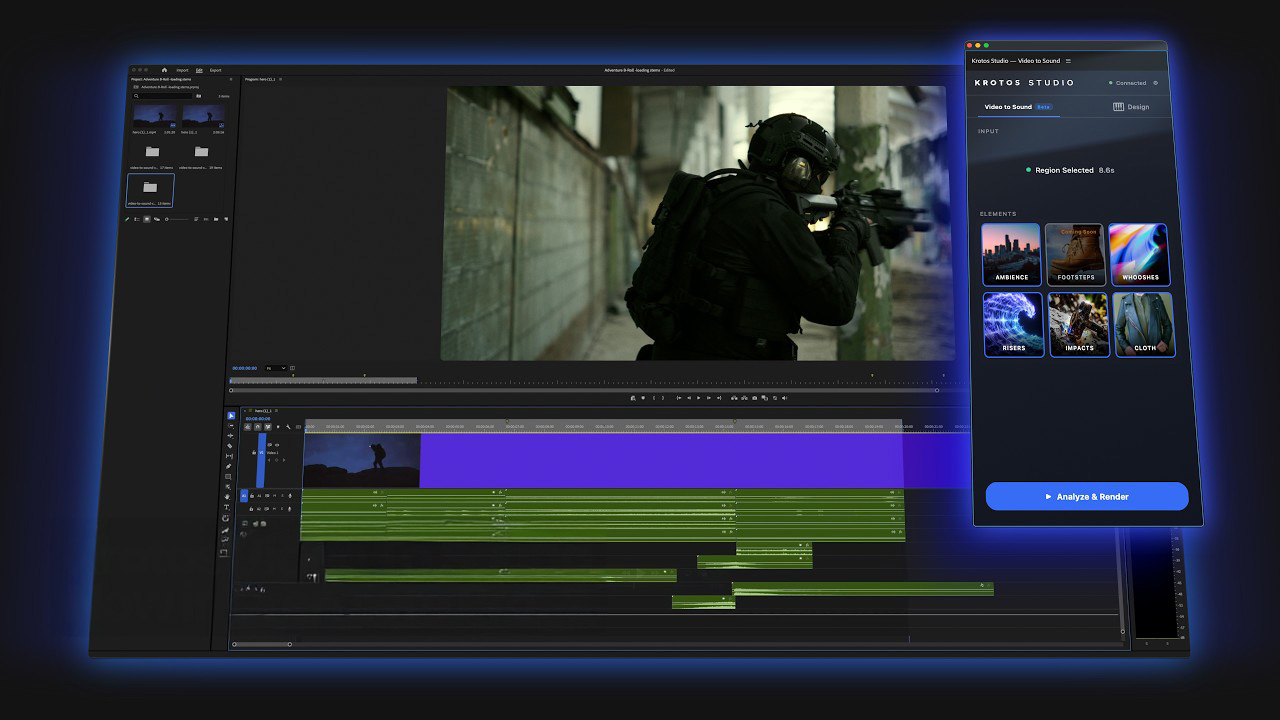
Sound is what gives cinematic moments their impact.
Before an explosion lands, before a title card appears, before a creature enters frame, you feel it first through sound. A low-end rumble builds pressure in the chest. A rising tone tightens tension. An impact lands with physical force. These sonic cues shape emotion, anticipation, and perceived scale before the audience has time to analyse the image.
TL;DR — Quick Summary
Cinematic sound effects are designed audio elements used to create scale, tension, and emotional impact across film, trailers, games, and high-end video content. This article explores how cinematic sound design works in practice, from impacts, risers, and sub-bass to atmospheres and transitions, and explains how these elements are layered, shaped, and mixed to control pacing and audience perception. It outlines where cinematic sound effects are used, how they are built, and the common mistakes that reduce impact, while emphasising the importance of originality, clarity, and tonal balance in modern workflows. 344 Sound Effects is positioned as a curated, studio-developed option for creators who want distinctive, production-ready cinematic sounds that integrate cleanly into professional audio post and trailer workflows.
What Are Cinematic Sound Effects?
Cinematic sound effects are designed audio elements used to create scale, tension, and emotional impact in visual storytelling. Unlike everyday sound effects that simply represent real-world noises, cinematic sound effects are intentionally shaped to heighten drama and guide audience perception.
These sounds are commonly used in film trailers, movie scenes, game cinematics, and high-end video productions. They include elements such as impacts, risers, drones, sub-bass rumbles, and transitional sound design that emphasise key visual moments.
Rather than functioning as background audio, cinematic sound effects help control pacing, reinforce dramatic beats, and create the sense of scale audiences associate with modern film and trailer sound design.
Why Cinematic Sound Effects Create Impact
Visuals establish context, but cinematic sound effects create emotional impact. Without sound, even dramatic visuals can feel flat or disconnected. Carefully designed impacts, sub-bass energy, atmospheres, and transitions transform movement on screen into something that feels powerful and immersive.
Low-frequency sound plays an important role in this process. Deep sub-bass is often felt physically, creating tension or anticipation before the viewer consciously understands why. Silence can be equally effective. When sound suddenly drops away, attention sharpens and the next impact feels more dramatic.
Modern trailers and films rely heavily on designed sound rather than raw recordings alone. Layered effects, tonal shaping, and spatial processing help moments feel larger than life while guiding emotional pacing throughout a scene.
What Makes Trailer Sound Effects So Powerful
Trailer sound design is built on anticipation and release. Every sonic element contributes to forward momentum, emotional build, and the sense of scale audiences expect from cinematic storytelling.
Rather than simply supporting visuals, trailer sound effects shape pacing and control how tension builds and resolves.

Impacts and Hits
Heavy impacts punctuate visual transitions and emphasise dramatic beats. They give title cards, scene cuts, and key reveals a sense of physical weight and authority. Layered impacts often combine transient attack, low-end energy, and debris textures to create a hit that feels both powerful and believable.
Risers and Braaams
Risers gradually increase tension, guiding the audience toward an expected moment. Braaams deliver the cinematic shockwave associated with scale and intensity, often used to punctuate reveals or climactic transitions. Together, they create the push-and-release dynamic that defines modern trailer pacing.
Sub-Bass and Low-Frequency Energy
Low frequencies are felt as much as heard. Sub rumbles create physical immersion and cinematic depth, adding pressure and emotional gravity to a scene. Without controlled low-end support, impacts can feel thin and lack presence.
Whooshes and Transients
Whooshes create motion and connect visual edits, helping transitions feel fluid and intentional. Fast transients add snap and definition, enhancing rhythm and pacing throughout a sequence.
Atmospheres and Drones
Drones and atmospheres establish mood and sustain tension between impacts. They fill the sonic space, preventing silence from feeling empty while maintaining emotional continuity.
Trailer sound design works because these elements function together. Impacts provide punctuation, risers build anticipation, low frequencies create physical presence, and atmospheres maintain emotional continuity between moments of intensity.
If you are building cinematic intensity, curated trailer effects collections such as the Cinematic Trailer Effects category provide ready-to-layer elements designed specifically for this purpose.
Where Cinematic Sound Design Is Used
Cinematic sound effects are used wherever visual storytelling requires scale, tension, or emotional impact.
Film Trailers
Trailers rely heavily on impacts, risers, and sub-bass hits to build anticipation and emphasise dramatic reveals.
Film and Television Scenes
Layered sound design reinforces realism and emotional pacing during key moments such as explosions, character entrances, or dramatic transitions.
Game Cinematics
Cinematic sound effects help emphasise environmental scale, action sequences, and narrative moments within game cutscenes.
Advertising and Brand Films
High-impact sound design is often used in product launches and promotional videos to create a premium, cinematic feel.
Core Elements of Cinematic Sound Effects
Cinematic sound design works because multiple sonic elements support each other. No single sound creates an impact on its own. Power comes from how impacts, low frequencies, atmospheres, and tonal layers interact to shape tension and release.
Understanding these core components helps you build soundscapes that feel cohesive, intentional, and emotionally effective.
Impacts and Transients for Emphasis
Hard hits anchor visual beats and create emphasis. They give weight to title cards, scene cuts, dramatic reveals, and transitions. Without strong transient detail, even striking visuals can feel underwhelming.
Layering impacts with subtle textures such as debris, metallic resonance, or environmental tails increases realism and depth.
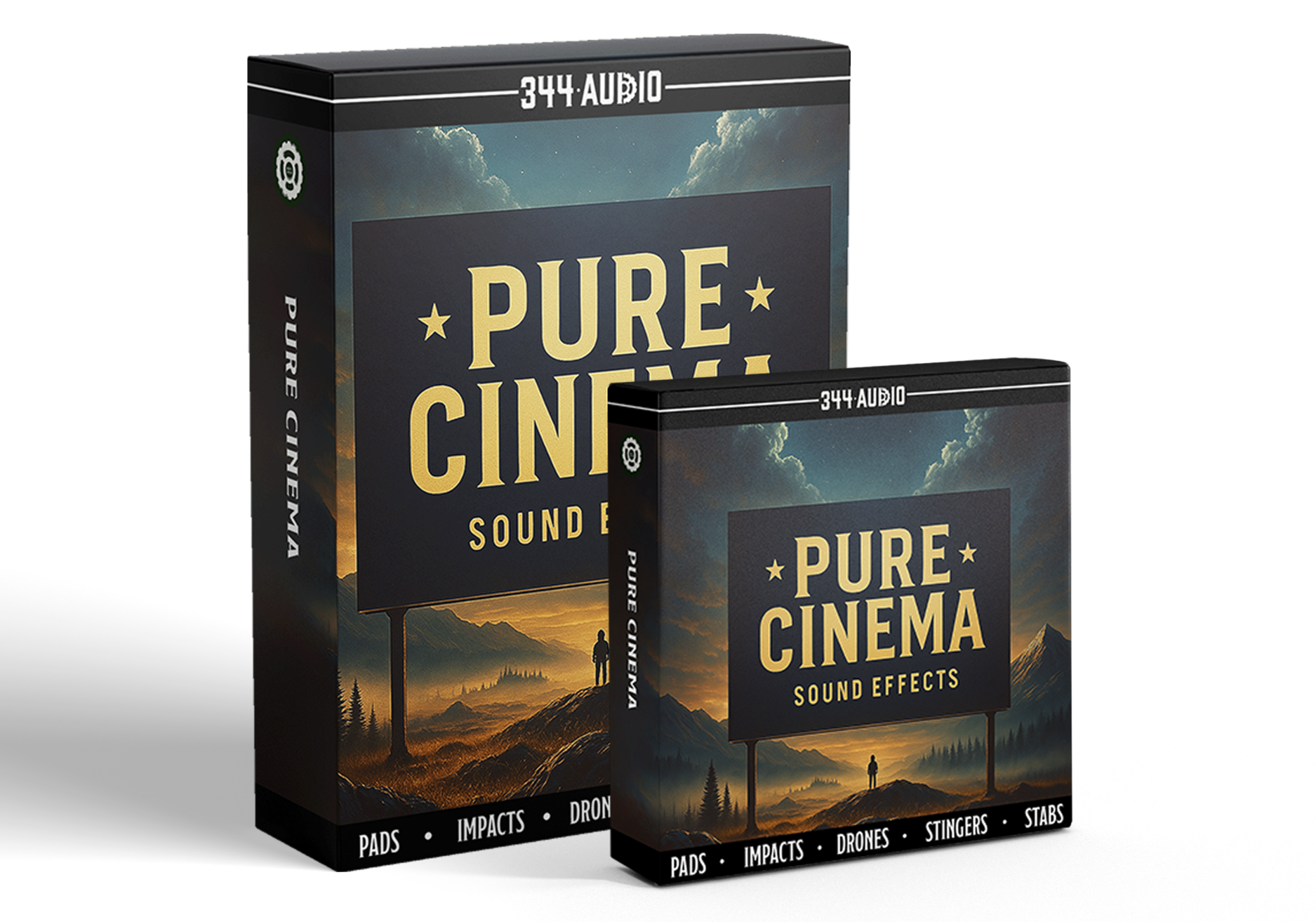
Libraries like Pure Cinema provide cinematic hits, drops, and transitions designed to deliver immediate impact and integrate cleanly into modern trailer workflows.
Low-Frequency Energy and Sub Harmonics
Low frequencies add weight, scale, and physical presence. Sub energy is felt in the body as much as it is heard, creating immersion and emotional intensity.
Without low-end support, impacts can feel thin and lose their sense of scale.
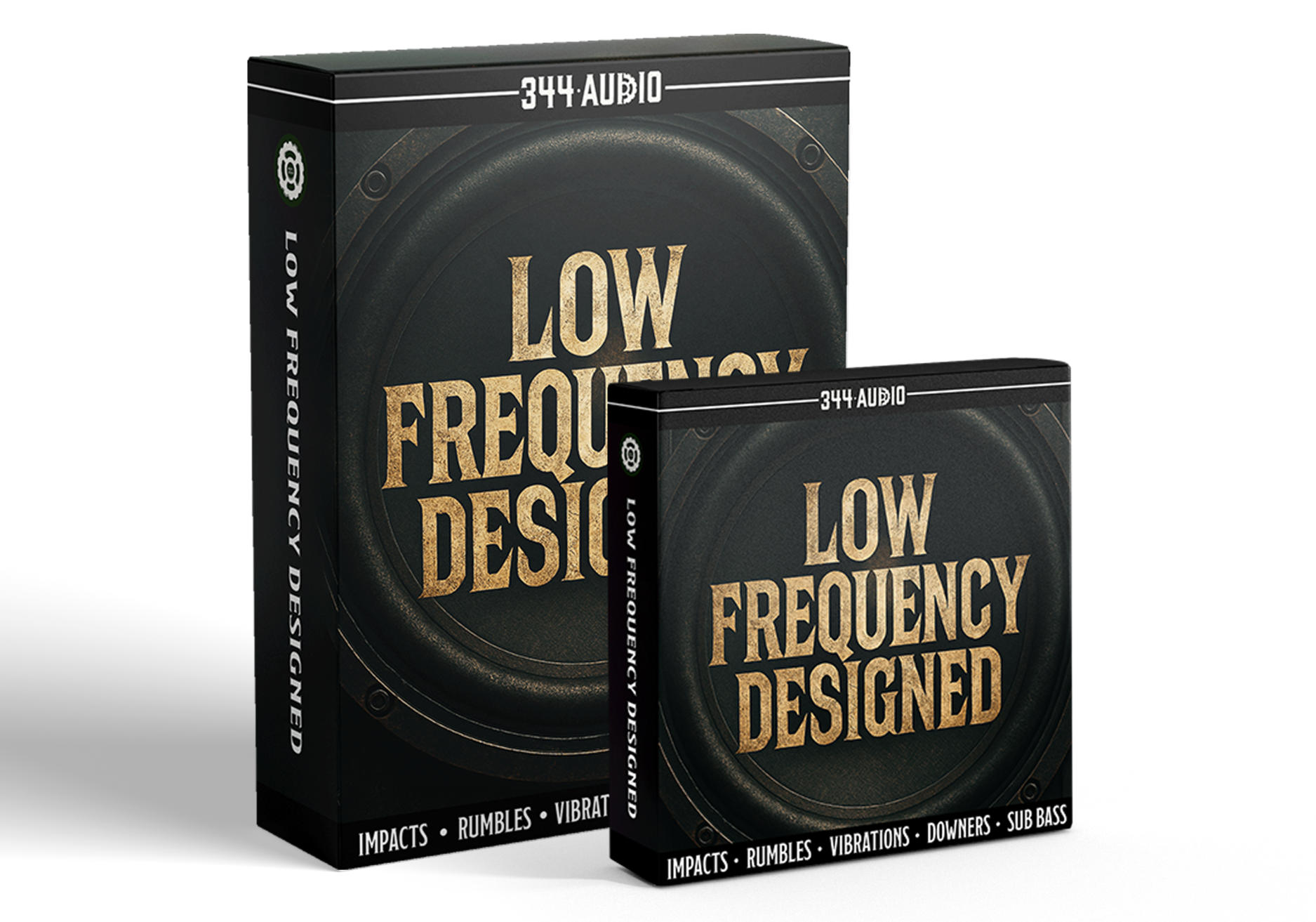
Low Frequency Designed delivers deep drones, sub impacts, and rumble textures that add physical intensity and foundation to cinematic mixes.
Risers and Tension Builders
Risers build anticipation by gradually increasing pitch, volume, or density. They guide the audience toward a moment of release.
Braaams and tension stingers deliver the payoff. Used together, they shape pacing and emotional momentum, helping editors control how a scene builds and resolves.
Well-designed risers also help smooth transitions between edits, preventing abrupt changes that can disrupt immersion.
Sci-Fi and Futuristic Sound Design
Science fiction often requires sound design that goes beyond real-world recordings. Futuristic interfaces, alien environments, and electromagnetic textures help define worlds that feel believable yet unfamiliar.
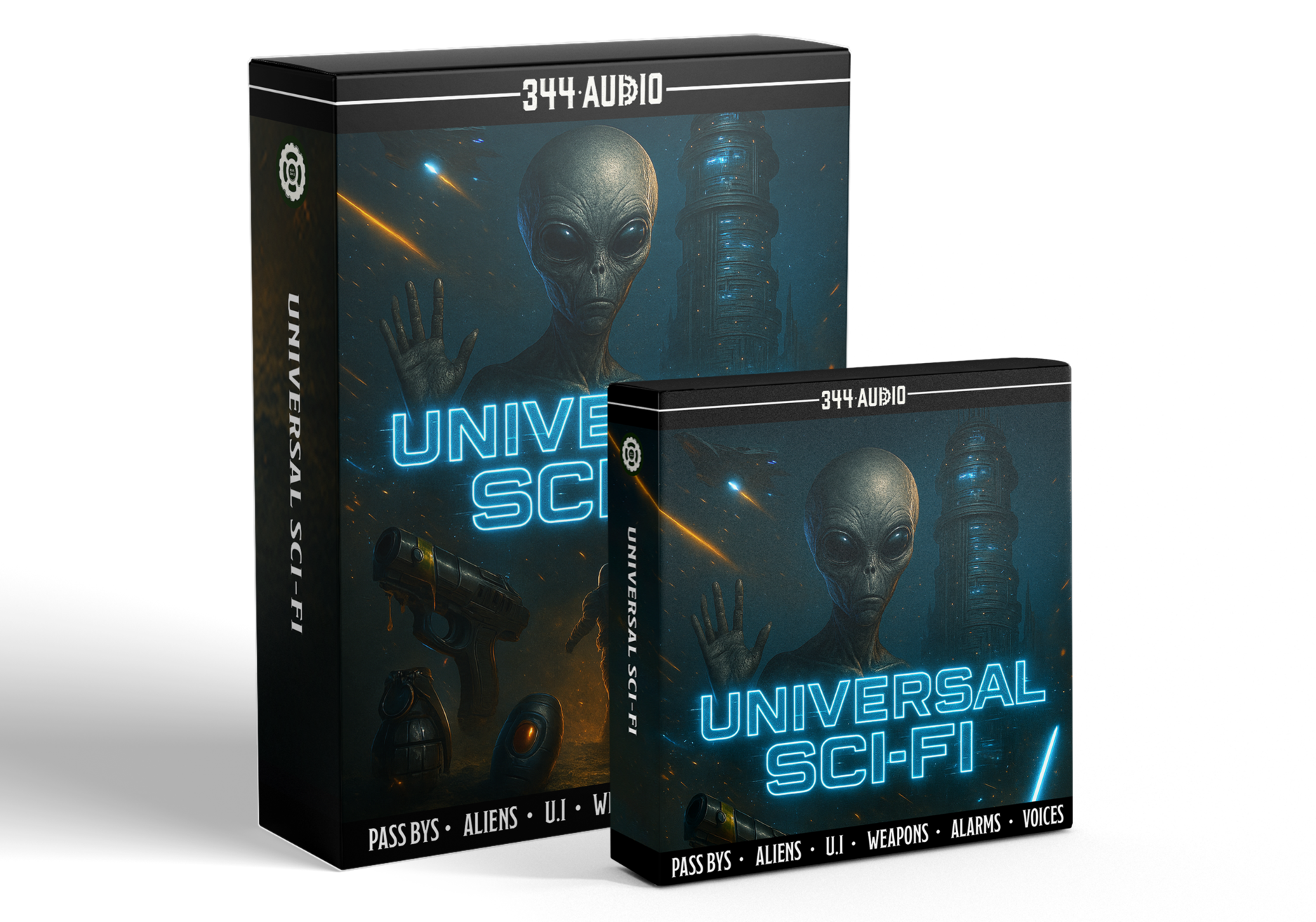
Universal Sci-Fi provides electromagnetic textures, futuristic UI sounds, power systems, and alien ambiences that support convincing off-world environments and advanced technologies.
These elements help create sonic continuity in futuristic settings where traditional recordings would feel out of place.
Horror and Psychological Sound Layers
Horror sound design relies on discomfort, tension, and unpredictability rather than sheer loudness. Low drones, tonal dissonance, organic textures, and sudden dynamic changes can create unease long before a visual scare occurs.
Ultimate Horror delivers disturbing ambiences, gore textures, and jump-scare elements designed to heighten psychological tension and intensify emotional reactions.
Subtle sound design choices often make horror more effective than overt effects.

Stylised and Character-Driven Effects
Not every cinematic project aims for realism. Stylised sound supports animation, comedy, exaggerated motion, and character-driven storytelling.
Expressive motion sounds, elastic impacts, and playful transitions help communicate personality and visual exaggeration.
Cartoon Mayhem offers expressive motion effects and characterful sounds ideal for animation, stylised edits, and exaggerated visual storytelling.

Why These Elements Work Together
When combined thoughtfully, these elements create a cohesive sonic experience:
- impacts provide emphasis
- sub frequencies create scale and weight
- risers control pacing and anticipation
- atmospheres establish mood
- tonal layers support realism or stylisation
Cinematic sound design is not about volume. It is about shaping emotional response through contrast, timing, and tonal balance.
How Cinematic Sound Effects Are Designed
Cinematic sound rarely comes from a single recording. Designers build impact through layering, contrast, and spatial placement.
Layering for Depth
A cinematic impact is typically built from several complementary layers:
- transient impact for attack
- tonal or metallic texture for character
- debris layers for realism
- low-end sub drop for weight
- environmental tail for spatial placement
Combining layers allows sounds to feel larger than life while remaining believable.
Dynamics and Silence
Impact comes from contrast rather than constant loudness.
Moments of silence or reduced ambience before a hit increase anticipation and make the resulting impact feel stronger.
Perspective and Spatial Design
Distance and space influence how sound is perceived. Close sounds emphasise detail, while distant sounds require atmospheric diffusion.
Reverb and reflections help position sounds within believable environments.
Harmonic Balance
Well-designed cinematic sounds maintain tonal clarity. Excessive low-end or midrange buildup can create muddiness.
Careful EQ shaping ensures each element sits clearly within the frequency range.
The Structure of a Modern Trailer Soundscape
Most trailers follow a rhythmic sonic progression that guides the viewer through rising tension and release. This structure supports emotional pacing and helps each visual beat land with clarity and impact.
A typical progression includes:
- Atmospheric introduction
Subtle ambiences, tonal textures, or distant drones establish mood and draw the viewer into the world. - Tension build with drones and risers
Rising tones and evolving textures increase anticipation and signal that something significant is approaching. - Mid-level impacts and rhythmic elements
Transitional hits, pulses, and rhythmic accents begin to shape momentum and reinforce visual pacing. - Climactic hits and braaams
High-impact moments deliver scale and intensity, often aligning with major reveals or dramatic cuts. - Final impact or silence for emphasis
A decisive hit or sudden silence creates contrast and leaves a lasting impression.
Understanding this progression helps you shape emotional flow, maintain engagement, and ensure each sonic element supports the narrative arc of the trailer.
Mixing Cinematic Sound Effects for Maximum Impact
Even the most powerful sound effects can lose their impact without careful mixing. A strong mix ensures that cinematic elements feel clear, controlled, and emotionally effective across theatres, televisions, laptops, and mobile devices.
Use Silence for Greater Impact
Silence is one of the most effective tools in cinematic sound design. Dropping or reducing sound just before a major hit or reveal sharpens attention and breaks audience expectations.
This contrast makes the following impact feel more powerful, as the listener has a moment of reset before the sound lands. Used carefully, silence can heighten tension, emphasise transitions, and give key moments more emotional weight without adding extra elements to the mix.
Control the Low End
Sub frequencies add weight and physical presence, but excessive low-end energy can overwhelm a mix and reduce clarity. Use EQ to shape the sub range and apply controlled limiting where necessary so the impact remains powerful without becoming muddy. Always check translation across playback systems.
Preserve Transient Detail
Over-compression softens attack and reduces perceived punch. Allow transients to breathe so hits retain their immediacy and physical impact.
Prevent Frequency Masking
Impacts, music, and dialogue often compete in similar frequency ranges. Use subtractive EQ and careful balancing to prevent overlap so each element remains intelligible and distinct.
Use Reverb for Scale
Reverb creates a sense of space and environment. Subtle ambience tails help sounds feel grounded within a scene, while longer reverbs can enhance scale when used with restraint.
Maintain Mono Compatibility
Trailers and promotional content are frequently played on phones and social feeds. Checking mono compatibility ensures impacts remain clear and powerful even on small speakers and phone speakers.
A well-balanced mix preserves clarity while delivering cinematic scale, allowing every impact, rise, and transition to support the visual story.
Tools Used in Cinematic Sound Design
Cinematic sound workflows rely on precise tools and controlled monitoring environments to ensure accuracy, consistency, and reliable translation across playback systems.
Industry-standard platforms include:
Avid Pro Tools
Widely used in film and post-production, Pro Tools provides advanced editing, automation, and routing capabilities that support complex layering and detailed mix control.
Dolby Atmos enables immersive, object-based mixing, allowing sound elements to be positioned and moved within three-dimensional space. This enhances scale, realism, and spatial clarity in modern cinematic releases.
Together, these systems support the detailed layering, spatial placement, and dynamic control required to build cinematic soundscapes that translate effectively from theatrical environments to home and mobile playback.
Common Mistakes That Reduce Cinematic Impact
Even strong visuals can lose their impact when sound design choices undermine realism, clarity, or emotional weight.
Overusing recognisable stock sounds
Audiences quickly recognise overused impacts, risers, and transitions. Familiar sounds break immersion and make a production feel generic rather than cinematic.
Ignoring low-frequency support
Without controlled sub-bass and low-end reinforcement, impacts feel weak and lack physical presence. Low frequencies provide the weight that makes cinematic moments feel powerful.
Overcrowding the mix
Too many competing elements reduce clarity and dilute impact. Cinematic sound design relies on space, contrast, and intentional layering rather than constant density.
Mismatched perspective
Sounds that do not match the visual distance or environment feel disconnected. A close-up action needs detail and immediacy, while distant events require diffusion and reduced high-frequency content.
Over-processing effects
Excessive compression, distortion, or saturation can remove natural detail and depth. Subtle shaping preserves realism while maintaining intensity.
Avoiding these issues helps maintain clarity, immersion, and the cinematic authenticity that keeps audiences engaged.
Why Original Sound Effects Matter
Audiences quickly recognise overused stock sounds. Familiar impacts, risers, or transitions can reduce immersion and make a production feel generic.
Original cinematic sound effects help maintain realism and strengthen the identity of a project. Unique sounds prevent designs from feeling templated and allow editors to build a more distinctive sonic style.
For professional editors and sound designers, originality is especially valuable when creating trailers, films, or game cinematics where emotional impact and audience immersion are critical.
Using carefully designed sound libraries ensures your mixes remain fresh, believable, and consistent across projects.
Choosing the Right Cinematic Sound Effects Library
If you regularly create cinematic content, the sound effects library you use can significantly affect workflow and final production quality.
A strong cinematic library should provide:
- production-ready audio suitable for layering and processing
- clear licensing for commercial distribution
- organised metadata for fast searching
- multiple perspectives and tonal variations
- sounds that integrate well within complex mixes
Many editors rely on a core curated library supplemented by specialised collections for genres such as horror, sci-fi, or trailer sound design.
Libraries such as Pure Cinema provide cinematic hits and transitions designed specifically for trailer editors.

Final Thoughts
Cinematic sound effects shape how audiences experience a moment, not just how they see it. From sub-bass rumbles to dramatic impacts and tension-building risers, these sounds define scale, emotion, and immersion.
For creators working in trailers, films, or cinematic video content, high-quality sound design significantly enhances storytelling and perceived production value.
Within this workflow, 344 Sound Effects provides curated libraries designed to help editors avoid generic audio and develop a distinctive cinematic sound across film, trailers, games, and branded media.